

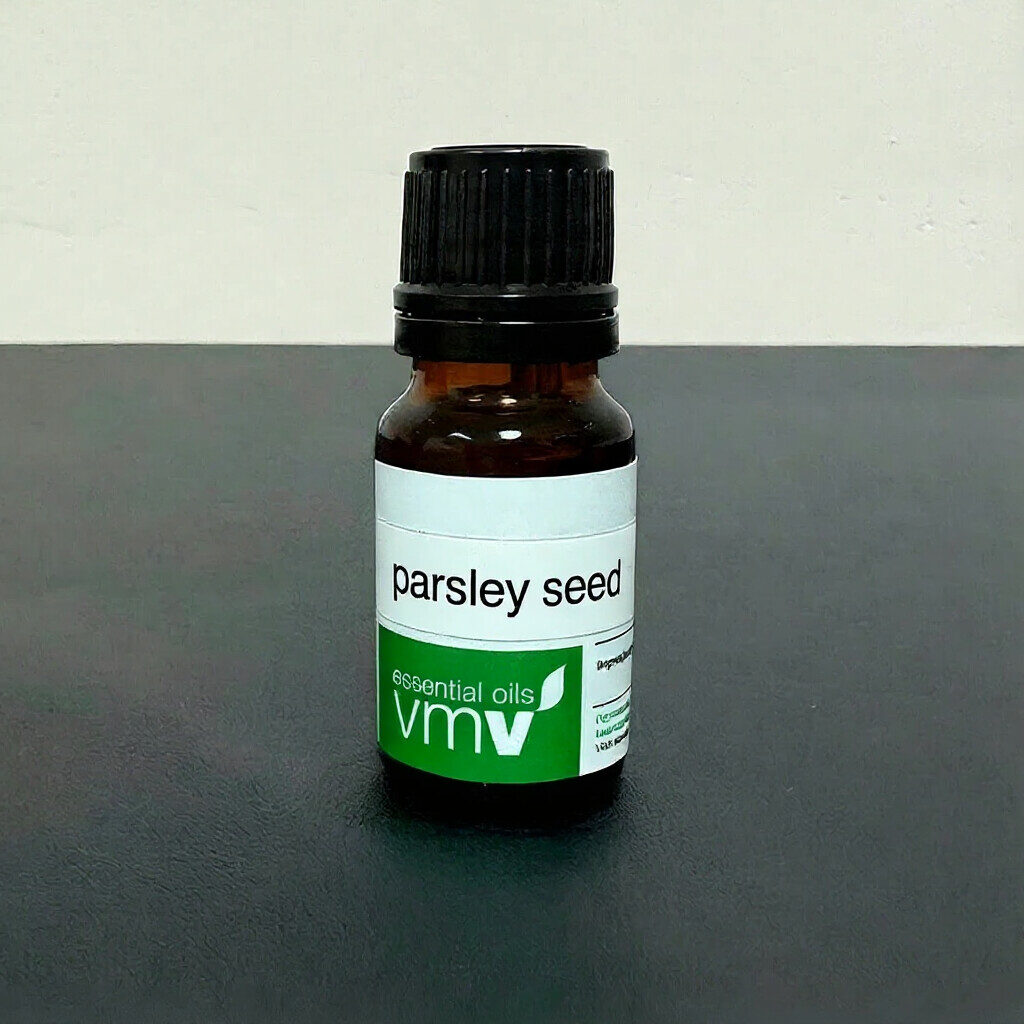
Parsley Seed
Price range: $94.00 through $155.00
Additional information
| Weight | 1/2 oz (14.8 ml), 1oz |
|---|
Only loggedin customers who have purchased this product may leave a review.
Related products

House Synergy 2
$30.00
House Synergy 3
$30.00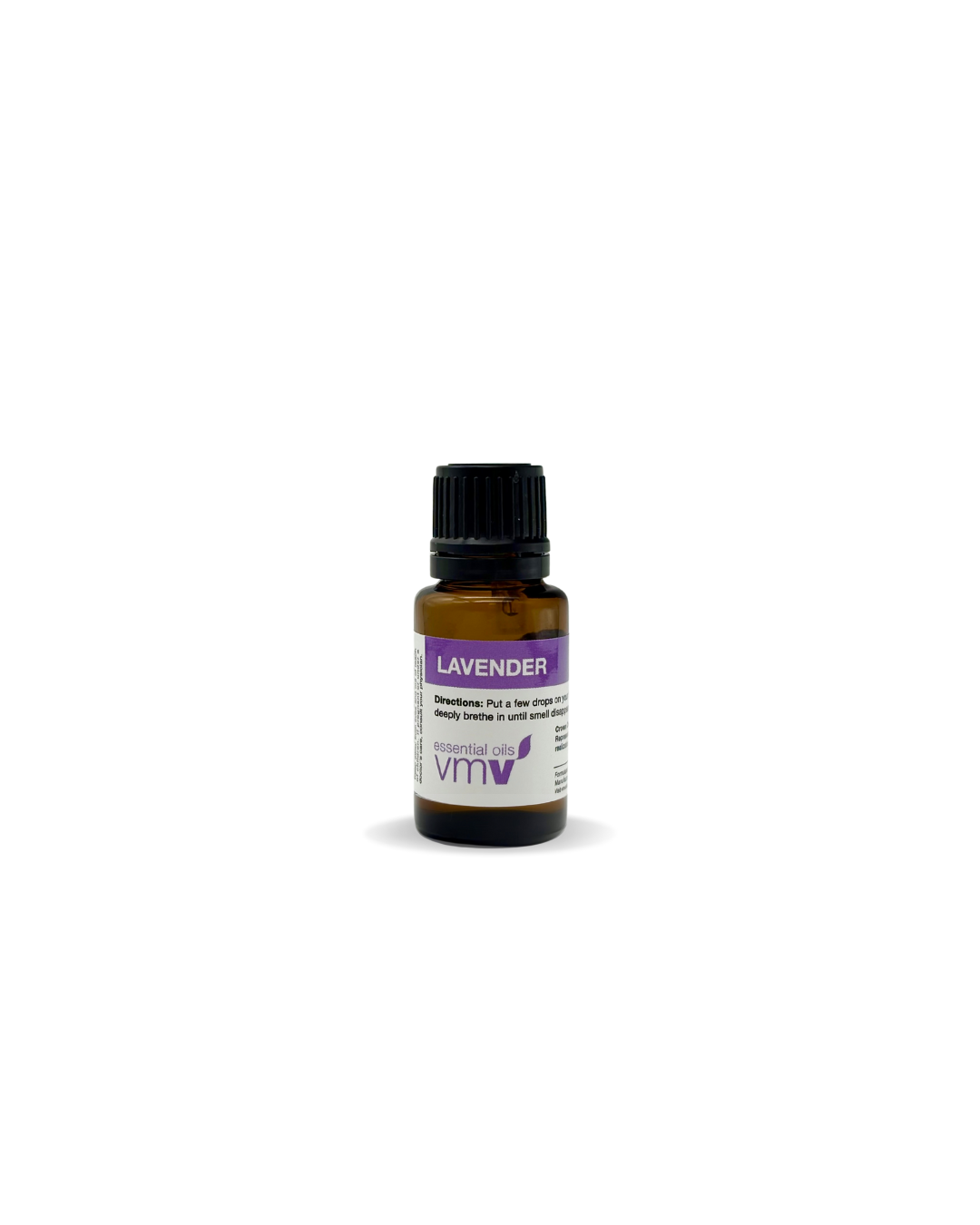
Lavender
Price range: $20.00 through $140.00Principal Constituents: Alcohol’s (borneol, geraniol, and linalool), esters, (geranyle and Linalyl), and terpenes (pinene and limonene). Lavender also contains a high proportion of phenol which gives it very strong antiseptic and antibiotic properties.
Perfume Note: Medium
Properties:
- Antiseptic, disinfectant
- Balance nervous system
- Anti-spasmodic
- Effective with wounds and sores; great for burns
- Effective for acne, dry eczema, ingredient in skin-care blends
- Use in Balneotherapy for treatment of functional circulatory disorders
- At a strength of 4.5% the essence of lavender kills the Eberth’s bacillus (typhoid) and Staphylococcus.
- At a strength of 5% it will destroy loefflers bacillus (diphtheria).
- The essence kills the tuberculosis bacillus at strength of 0.2% and its antiseptic power is greater than those of phenol, cresol, and quaiacol 3 .
- Lavender vapor destroys Streptococcus and Pneumococcus in 12 to 24 hours.
Reviews
There are no review yet.